
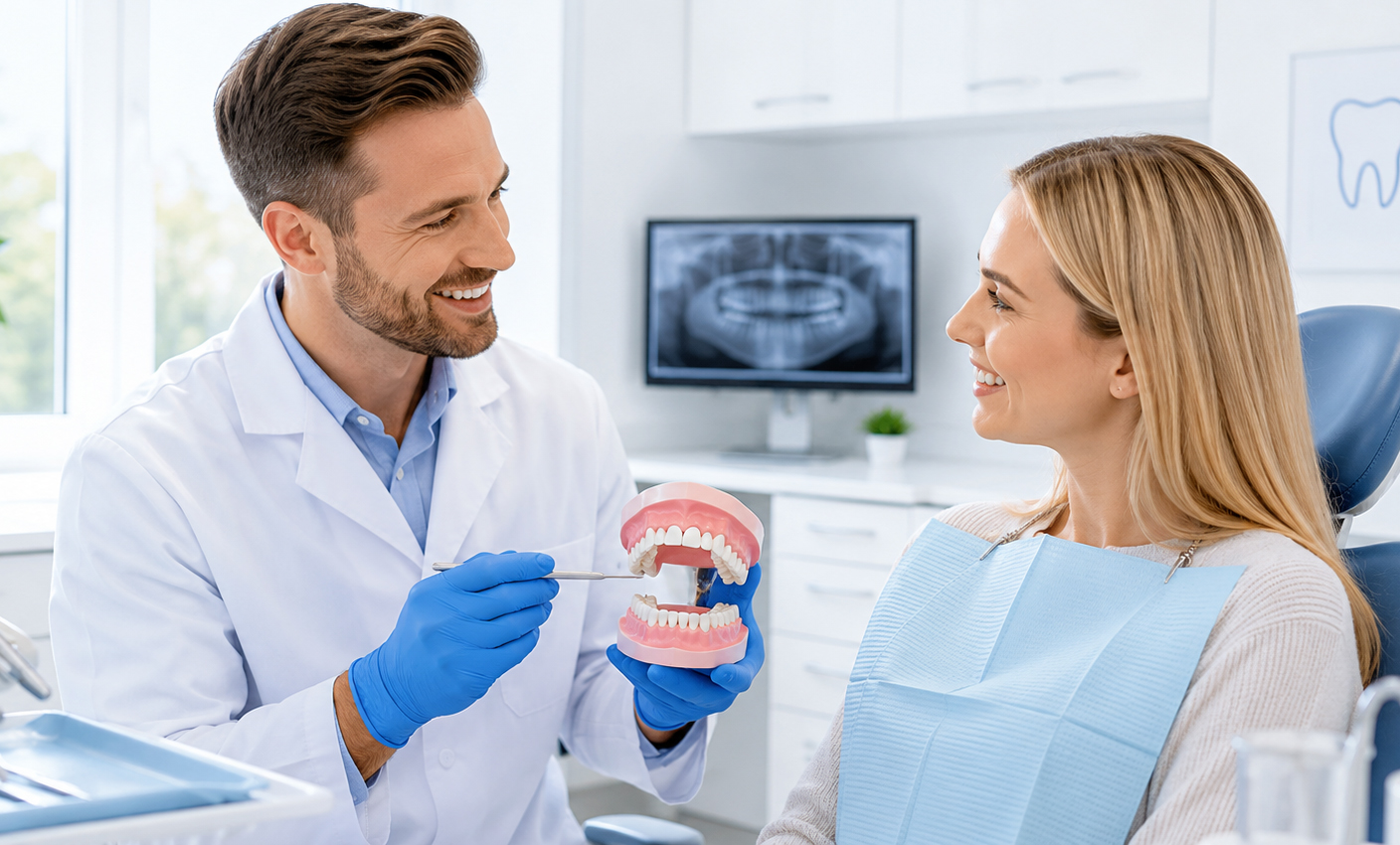
You may be waking your partner or losing sleep yourself because of nightly snoring, and you want solutions close to home in West Caldwell, NJ. A neighborhood dental team can assess whether snoring stems from airflow blockage, dental structure, or lifestyle factors and offer tailored, comfortable options.
A simple dental appliance or targeted lifestyle changes can often reduce or stop snoring without surgery. The article outlines how to tell if snoring is a health concern, which dental and non‑dental treatments work best, and when to seek advanced care nearby, so you know practical next steps to sleep better and feel healthier.
Understanding Why Snoring Happens
Snoring results when air cannot move freely through the nose and throat during sleep, causing tissues to vibrate and produce sound. Identifying specific causes, how anatomy affects airflow, and the health risks of untreated snoring helps patients choose effective treatments.
Causes of Snoring
Tissue vibration in the upper airway produces the sound of snoring. Common contributors include nasal congestion from allergies or a deviated septum, enlarged tonsils or adenoids, excess throat tissue from weight gain, and relaxed throat muscles during deep sleep or alcohol use. Sleep position matters: lying on the back often allows the tongue and soft palate to fall backward and narrow the airway.
Age and gender play roles; muscle tone decreases with age, and men tend to have narrower airways relative to throat size. Temporary causes like colds or alcohol use can make snoring worse for nights or weeks. Understanding which of these factors applies helps determine whether conservative measures, dental appliances, or medical interventions will most likely help.
How Anatomy Influences Breathing
Structural features shape airway size and resistance. A deviated septum or chronically swollen turbinates restrict nasal airflow and force mouth breathing, increasing vibration of soft tissues. A long or thick soft palate and large uvula reduce the upper airway diameter, especially when muscles relax during sleep.
Jaw position and bite matter. A retruded lower jaw (retrognathia) pulls the tongue back toward the throat, narrowing the space behind the tongue. Enlarged tonsils or a thick neck circumference (often measured as neck size >17 inches in men) also increase obstruction risk. Dentists and sleep specialists assess these anatomical factors with exams and imaging to tailor solutions such as oral appliances, positional therapy, or referral for ENT surgery.
Risks Associated With Untreated Snoring
Persistent snoring can indicate obstructive sleep apnea (OSA), a condition marked by repeated breathing pauses that reduce oxygen levels. Untreated OSA raises risks for daytime sleepiness, impaired concentration, workplace accidents, and cardiovascular problems like hypertension, heart disease, and stroke. Even primary snoring (without OSA) can fragment sleep for partners and reduce overall sleep quality.
Dental and medical evaluations identify whether snoring is benign or a sign of OSA. Objective testing, such as home sleep apnea testing or polysomnography, helps quantify breathing events and oxygen drops. Early evaluation enables targeted treatments—oral appliance therapy, CPAP, weight management, or surgical options—to reduce health risks and improve sleep for both the patient and their partner.
Signs That Snoring May Be a Health Concern
Snoring can be more than a noisy nuisance; it can signal disrupted sleep, breathing pauses, and daytime impairment. The following points highlight specific symptoms and clear triggers that suggest snoring deserves medical attention.
Symptoms to Watch For
Loud, frequent snoring that wakes a bed partner is a red flag, especially when accompanied by gasping, choking, or witnessed pauses in breathing during sleep. These pauses — often followed by abrupt, loud inhalations — can indicate obstructive sleep apnea (OSA), which raises cardiovascular and metabolic risks.
Persistent daytime sleepiness, difficulty concentrating, and morning headaches are important symptoms to track. Note how many days per week these occur and whether they affect work performance or mood. Waking with a dry mouth, sore throat, or frequent nighttime urination (nocturia) also points toward disturbed sleep architecture linked to breathing problems.
Other concerning signs include sudden weight gain, high blood pressure, or restless sleep despite adequate time in bed. Keep a simple sleep diary for two weeks: record snoring intensity, witnessed pauses, wake-ups, and daytime alertness to share with a clinician.
When to Seek Professional Advice
Recommend seeing a primary care physician or a sleep specialist when snoring is loud and occurs most nights, or when witnessed apneas happen. Immediate evaluation is prudent if snoring is paired with gasping, choking, or daytime safety issues like falling asleep while driving. These markers warrant timely diagnostic testing.
A dental sleep specialist or ENT referral serves well when snoring relates to jaw alignment, teeth grinding, or nasal obstruction. They may evaluate for oral appliance therapy, nasal surgery, or positional therapy. Expect a home sleep apnea test or in-lab polysomnography if OSA is suspected.
Bring documented sleep diary notes, bed-partner observations, medication lists, and a history of hypertension, diabetes, or heart disease to the appointment. Early assessment helps match conservative measures — weight management, avoiding alcohol before bed, positional strategies — with medical or dental treatments when needed.
Dental Solutions for Snoring Relief
Dental treatment can reduce snoring by improving jaw position and keeping the airway open during sleep. Custom-fit oral devices and night guards offer noninvasive options that many patients tolerate well.
Custom Oral Appliances
Custom oral appliances, often called mandibular advancement devices (MADs), hold the lower jaw slightly forward to enlarge the upper airway. A dentist takes precise impressions or digital scans and programs the device to advance the jaw in small, measured steps to balance effectiveness and comfort.
These appliances are made from medical-grade acrylic or thermoplastic and are tailored to bite, tooth alignment, and jaw mobility. They reduce tissue vibration in the throat, which lowers snoring intensity for many people who have positional or mild obstructive issues.
Patients should expect follow-up visits for adjustment, which fine-tune jaw advancement and check for bite changes. Side effects can include temporary jaw soreness, increased saliva, or minor tooth movement; the dentist monitors and manages these.
How Night Guards Work
Night guards used for snoring differ from athletic mouthguards; they stabilize the jaw to prevent backward collapse of the tongue and soft tissues. A typical design cups the teeth and positions the lower jaw forward or prevents excessive mouth closure during sleep.
Construction uses durable, biocompatible materials shaped to the patient’s dentition for a snug, comfortable fit. Some models allow incremental adjustment so the dentist can increase protrusion gradually until optimal airway patency and symptom relief occur.
Effectiveness varies with anatomy and snoring cause, so dentists usually assess airway anatomy, sleep history, and any existing temporomandibular joint (TMJ) issues before recommending a night guard. Regular follow-up ensures the device continues to work and that dental alignment remains stable.
What to Expect From Fitting Appointments
The first fitting appointment begins with a medical and dental history review, including sleep patterns, nasal breathing, and any previous treatments. The dentist examines teeth, gums, jaw motion, and checks for TMJ tenderness to determine appliance suitability.
Next, the dentist takes physical impressions or intraoral digital scans and records bite relationships. The lab then fabricates the appliance; patients receive a temporary or initial device at a second visit for trial and adjustment.
Follow-up visits occur within 2–6 weeks to adjust fit and jaw position and to evaluate snoring reduction and comfort. The dentist schedules periodic reviews—typically every 6–12 months—to check appliance wear, oral health, and any bite changes, making repairs or remakes as needed.
Lifestyle Changes That Make a Difference
Small, consistent changes to sleep habits, weight, and home routines often reduce snoring intensity and frequency. The steps below focus on practical, evidence-based adjustments patients can try before or alongside medical treatments.
Sleep Position Adjustments
Sleeping on the back increases airway collapse because the tongue and soft tissues fall backward. Encourage side sleeping: use a firm pillow that keeps the neck aligned, or try a body pillow to discourage rolling onto the back during the night.
A simple positional device—sewn tennis ball in the back of a pajama shirt—or commercially available positional trainer can reduce back-sleeping for many people. Elevating the head 4–6 inches with an adjustable bed or wedge pillow also helps by using gravity to keep the airway more open.
If positional snoring persists, a sleep specialist can assess whether positional therapy alone will help or if oral appliance therapy is warranted for improved airway stability.
Diet and Weight Management
Excess weight, especially around the neck, increases pressure on the airway and raises snoring risk. A modest weight loss of 5–10% often yields measurable snoring improvement; clinicians typically recommend a combination of calorie control and at least 150 minutes of moderate exercise per week.
Limit alcohol and sedatives in the 3–4 hours before bedtime because they relax throat muscles and worsen snoring. Smoking cessation reduces airway inflammation and mucus that contribute to noisy breathing; resources such as counseling, nicotine replacement, or prescription aids can help.
Track progress with a sleep diary and, if possible, objective measures (phone apps or partner reports). Discuss realistic weight targets and safe dietary plans with a primary care provider or registered dietitian.
Home Habits for Better Rest
Establish a consistent sleep schedule: go to bed and wake at the same time daily to improve sleep architecture and reduce fragmented sleep that highlights snoring. Create a sleep-conducive bedroom—cool (60–67°F), dark, and quiet—with no screens at least 30 minutes before bed to promote deeper, quieter breathing.
Manage nasal congestion with saline rinses, nasal strips, or topical steroid sprays where appropriate; improved nasal airflow reduces mouth breathing and related snoring. Maintain humidity between 40–50% to prevent dry air from irritating throat tissues—use a humidifier when needed and clean it regularly.
If snoring persists despite these measures, encourage consultation with a dental sleep specialist or ENT to evaluate for treatable causes such as obstructive sleep apnea and to discuss oral appliances or other interventions.
Partnering With Your Local Dental Team
A local dental team offers targeted screening, personalized appliance options, and coordinated care with sleep specialists to treat snoring and mild obstructive sleep apnea. Patients receive clear next steps, measurable treatment goals, and ongoing follow-up to track comfort and effectiveness.
Screening and Diagnosis Process
The dental team begins with a focused airway and oral exam. They check jaw range of motion, tongue posture, palate shape, and dental alignment, and record symptoms like daytime sleepiness and witnessed apneas.
They often use home sleep tests or refer for polysomnography when severity or risk factors justify it. Results guide whether a mandibular advancement device (MAD) is appropriate or if referral to a sleep physician is necessary.
Impressions or digital scans capture tooth position and bite for custom oral appliances. The dentist explains expected outcomes, possible side effects (jaw soreness, tooth movement), and follow-up schedule so patients know what to expect.
Collaborative Care With Sleep Physicians
The dental team shares diagnostic data and treatment plans with board-certified sleep physicians. They coordinate to confirm OSA severity, decide on CPAP trials if indicated, and set objective goals like AHI reduction or improved oxygen saturation.
When using an oral appliance, the dentist adjusts the device while the physician monitors sleep metrics and cardiovascular risk. Communication often uses reports, secure portals, and joint case reviews to ensure timely changes.
This collaboration prioritizes patient safety: physicians handle medical risks and comorbidities while dentists manage appliance fit, dental side effects, and long-term oral health. Patients receive clearer guidance and measurable follow-up appointments.
Advanced Treatment Options Near West Caldwell
Patients can expect effective, modern options from local sleep specialists and ENT surgeons that target airway collapse and vibration. Treatments range from nightly devices to outpatient surgeries, with choices guided by sleep study results and anatomical exam.
CPAP Therapy Information
CPAP (continuous positive airway pressure) remains the most reliable non-surgical option for obstructive snoring and sleep apnea. Providers in West Caldwell fit patients with machines that deliver a steady stream of air through masks to keep the airway open during sleep.
A typical care pathway includes a home sleep apnea test or in-lab polysomnogram, mask fitting, device titration, and follow-up to address leaks and comfort. Durable medical equipment suppliers near West Caldwell offer nasal, nasal-pillows, and full-face masks; clinicians recommend starting with a mask trial to reduce abandonment.
Common practical tips: use a heated humidifier to reduce nasal dryness, clean masks daily, and request pressure adjustment or an auto-CPAP if exhalation discomfort occurs. Insurance often covers CPAP after documented apnea; local clinics can help with prior authorization and documentation.
Surgical Interventions: What to Know
Surgical options target specific anatomic causes when conservative care fails or anatomy predicts poor CPAP tolerance. ENT surgeons near West Caldwell evaluate tonsils, soft palate, tongue base, and nasal passages to recommend procedures such as uvulopalatopharyngoplasty (UPPP), nasal septoplasty/turbinate reduction, coblation palatoplasty, or hypoglossal nerve stimulation (HGNS).
Surgeries vary by invasiveness and recovery: septoplasty and turbinate reduction are often same‑day with a few weeks of nasal care, UPPP may require 1–2 weeks for throat healing, and HGNS involves implantation and later device titration.
Patients should expect a preoperative airway imaging or endoscopy, a discussion of risks (bleeding, infection, voice change), and realistic outcome goals—reduced snoring intensity or fewer apnea events rather than guaranteed cure. Most West Caldwell teams coordinate with sleep medicine for postoperative sleep testing to measure improvement and refine further care.
Living Well and Sleeping Better
This section explains practical steps to reduce snoring nightly and actions that support long-term respiratory and cardiovascular health. It focuses on treatments, behavioral changes, and coordinated care that patients in West Caldwell, NJ can pursue.
Managing Long-Term Snoring
They should start with a clear diagnosis: overnight sleep testing or an in-office evaluation identifies whether snoring comes from nasal obstruction, soft palate vibration, or obstructive sleep apnea (OSA). Treatment then targets the cause.
Common, evidence-based options include:
- Positional therapy: Encouraging side-sleeping with specialized pillows or wearable devices.
- Oral appliance therapy: Custom mandibular advancement devices fitted by a dental specialist that move the lower jaw forward to keep the airway open.
- Nasal treatments: Allergy management, nasal strips, or surgical correction for a deviated septum.
- Surgical options: Targeted procedures such as uvulopalatopharyngoplasty (UPPP) or radiofrequency reduction for persistent anatomical causes.
They should expect follow-up sleep assessments and dental adjustments for appliances. Combining therapies—like appliance use plus weight management and alcohol avoidance—often gives the best long-term control. Local dental sleep specialists in West Caldwell can coordinate with ENT physicians and sleep medicine clinics for comprehensive care.
Promoting Overall Health Through Sleep
Improving sleep reduces daytime fatigue and lowers long-term risks associated with untreated sleep-disordered breathing, such as hypertension and metabolic dysfunction. Small lifestyle changes yield measurable benefits.
Practical steps include:
- Weight management: Even modest weight loss can reduce airway pressure and snoring frequency.
- Sleep hygiene: Consistent bedtimes, a cool, quiet bedroom, and limiting screens one hour before bed improve sleep architecture.
- Substance adjustments: Avoiding alcohol and sedatives near bedtime and quitting smoking reduce airway relaxation and inflammation.
- Regular medical review: Monitoring blood pressure, glucose, and mood; treating allergies; and scheduling periodic sleep studies if symptoms change.
Patients in West Caldwell can access multidisciplinary support—dieticians, pulmonologists, and dental sleep clinicians—to create a personalized plan. Encourage them to ask about testing, appliance options, and local resources at their next dental or medical visit.
Frequently Asked Questions
This section answers common concerns about causes, risks, home remedies, dental devices, evaluations, and when to seek specialist care for snoring and related sleep problems. It focuses on practical signs, simple interventions, and what to expect from clinical evaluation.
What are the most common reasons adults snore, and when should I be concerned?
Snoring often starts when tissues in the throat vibrate during sleep because airflow is partially blocked. Common causes include nasal congestion, enlarged tonsils or adenoids, excess weight, alcohol use, and a naturally narrow airway.
Be concerned if snoring is loud enough to disturb partners, occurs nightly, or is accompanied by choking, gasping, or daytime sleepiness. Those signs suggest a higher risk of obstructive sleep apnea and merit professional evaluation.
How can I tell if my snoring might be linked to sleep apnea rather than just a nuisance?
Look for pauses in breathing, sudden gasps, consistent loud snoring, morning headaches, or excessive daytime sleepiness. Bed partners’ reports about witnessed breathing pauses or gasping are especially telling.
Wearable sleep trackers and symptom checklists can indicate risk but are not diagnostic. A formal sleep study remains the definitive test to confirm obstructive sleep apnea.
What simple, at-home changes can help reduce snoring before trying medical or dental treatments?
Losing weight, avoiding alcohol and sedatives before bed, and establishing regular sleep hours can reduce nighttime airway collapse. Sleeping on the side instead of the back often decreases snoring intensity for many people.
Using nasal strips or treating chronic nasal congestion with saline rinses or prescribed nasal sprays can improve airflow. These steps help some patients and can be tried before seeking devices or medical procedures.
How do custom dental nightguards or oral appliances help with snoring, and are they comfortable to wear?
Custom oral appliances reposition the lower jaw and tongue slightly forward to open the airway and reduce tissue vibration. They work best for mild to moderate snoring and obstructive sleep apnea and often fit like a sports mouthguard.
Dental offices create devices from impressions of the patient’s teeth for a snug fit, reducing common discomforts such as sore jaw or loose fit. Most patients adapt within a few nights or weeks, and follow-up adjustments improve comfort and effectiveness.
What does a snoring and sleep apnea evaluation typically involve, and will I need a sleep study?
Evaluation starts with a detailed history, physical exam of the airway, and review of sleep and daytime symptoms. The clinician may use questionnaires, home sleep apnea tests, or recommend an in-lab polysomnogram depending on symptom severity.
A home sleep apnea test can diagnose many cases of obstructive sleep apnea for adults without significant comorbidities. In-lab studies remain necessary when results are unclear or when complex medical issues exist.
How do I know whether I should see a dentist, an ENT, or a sleep specialist for my snoring?
See a dentist experienced in sleep dentistry or an oral appliance if the main options under consideration are custom oral devices. Dentists assess bite, jaw function, and suitability for an appliance.
Visit an ENT (ear, nose, throat) specialist for nasal obstruction, recurrent sinus disease, or structural issues of the airway. Consult a sleep specialist when signs point to moderate or severe sleep apnea, complex medical conditions exist, or when CPAP and other treatments need expert management.