
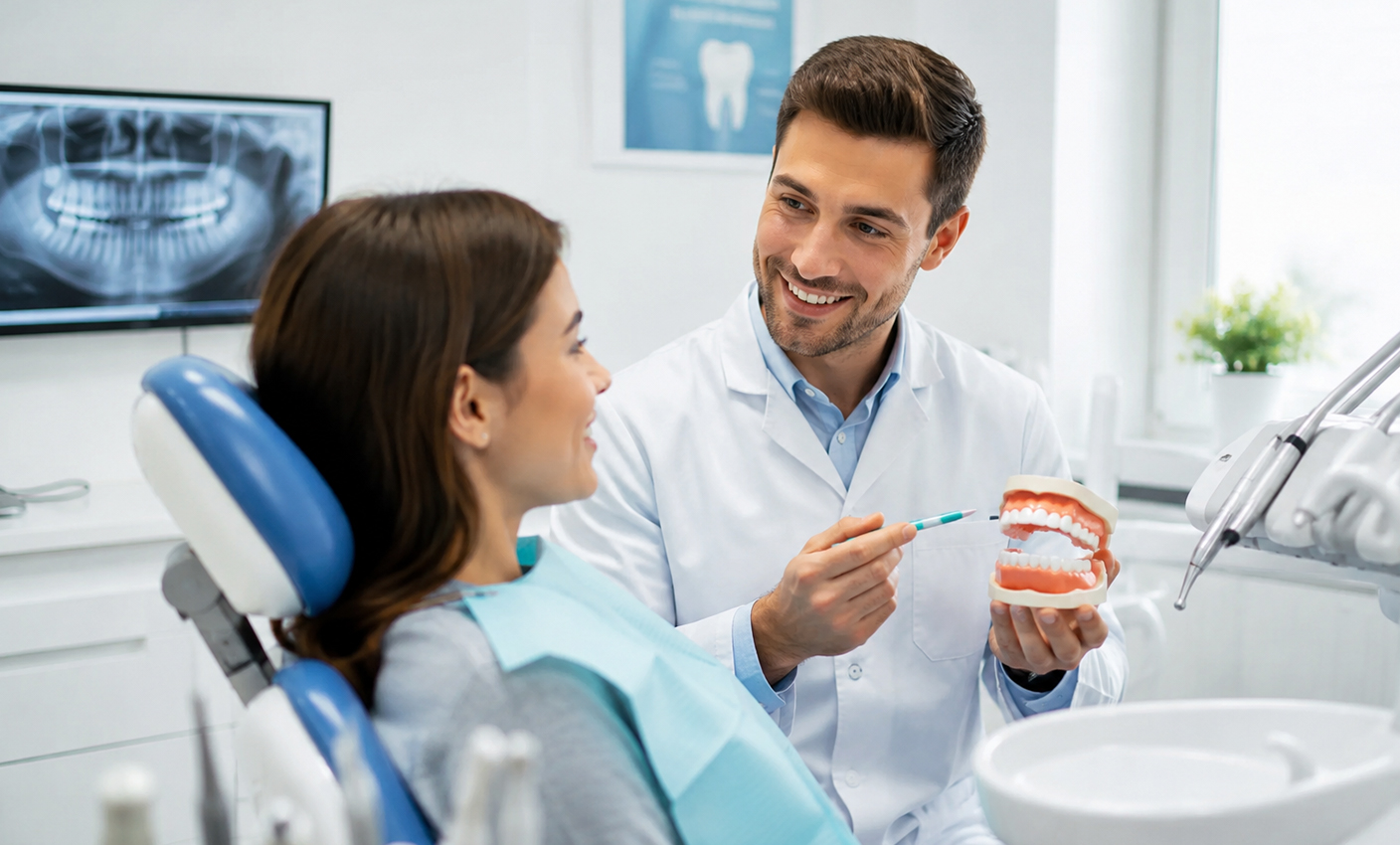
If you struggle with loud snoring, daytime fatigue, or sudden gasps during sleep, a dental approach in West Caldwell, NJ can offer practical solutions that fit your life. A local dentist trained in sleep apnea can diagnose the issue and provide comfortable, custom oral appliances that reduce airway collapse and improve sleep without the bulk of CPAP for many patients.
They explain what sleep apnea is, how oral devices work, and what to expect from testing and ongoing care, so you feel confident before committing to treatment. Expect clear steps for evaluation, personalized treatment options, everyday tips to sleep better, and guidance on when to seek further medical help—all aimed at restoring healthier nights and brighter days.
Understanding Sleep Apnea
Sleep apnea causes repeated pauses in breathing during sleep that reduce oxygen and fragment rest. It can stem from airway collapse, neuromuscular control issues, or a mix of both, and it often requires evaluation by a dentist working with a sleep physician.
What Is Sleep Apnea?
Obstructive sleep apnea (OSA) occurs when throat muscles relax and block the airway during sleep, while central sleep apnea (CSA) stems from the brain failing to signal breathing muscles. Most dental patients with sleep-disordered breathing have OSA, which dentists address with oral appliance therapy and airway-focused care.
Diagnosis typically involves a sleep study (polysomnography or home sleep test) that measures breathing pauses, oxygen drops, and sleep stages. The apnea-hypopnea index (AHI) quantifies severity: mild (5–14 events/hr), moderate (15–29), and severe (30+). Dentists review symptoms, oral anatomy, and sleep study results to determine candidacy for oral devices.
Risk factors include excess soft tissue in the neck, large tonsils, small jaw, obesity, male sex, and certain medications. Lifestyle contributors—alcohol, sedatives, and smoking—worsen airway collapse. A dentist in West Caldwell will combine airway exam, dental records, and cooperation with a sleep physician to develop a treatment plan.
Signs and Symptoms to Watch For
Loud, frequent snoring—often punctuated by gasps or choking—is a common outward sign. Bed partners often notice breathing pauses; patients may be unaware until daytime effects appear.
Daytime sleepiness, morning headaches, difficulty concentrating, and irritability are frequent complaints. Patients may report dry mouth or sore throat on awakening, which can signal mouth breathing tied to obstructed airflow.
Other signs include high blood pressure resistant to treatment, witnessed apneas, restless sleep, and nocturia (waking to urinate). Dental findings such as tooth wear from clenching, a narrow palate, or a retruded lower jaw can also point to airway compromise and warrant further sleep evaluation.
Health Risks Linked to Untreated Sleep Apnea
Untreated sleep apnea raises the risk of cardiovascular problems, including hypertension, atrial fibrillation, heart attack, and stroke. Repeated oxygen dips and fragmented sleep increase sympathetic nervous system activity and inflammation, which harms vascular health.
Metabolic effects include higher risk of insulin resistance and type 2 diabetes, and many patients gain weight due to disrupted metabolism and daytime fatigue. Cognitive issues—memory problems, slowed reaction time, and impaired decision-making—can affect work and driving safety.
Sleep apnea also worsens mood disorders such as depression and anxiety, and increases the chance of workplace and motor-vehicle accidents. Early diagnosis and coordinated care between a dentist and sleep physician reduce these risks through appliance therapy, positional strategies, weight management, or CPAP when indicated.
How Dentists Help with Sleep Apnea
Dentists evaluate airway anatomy, oral structures, and nightly symptoms to create targeted, comfortable treatment plans. They offer noninvasive devices and coordinate with sleep physicians to ensure safe, effective care.
Dental Approaches vs. Traditional Treatments
Dentists focus on oral-device solutions while sleep physicians commonly prescribe CPAP (continuous positive airway pressure). CPAP uses a machine and mask to keep the airway open with pressurized air and remains the most effective for moderate-to-severe obstructive sleep apnea (OSA). Dentists provide alternatives when patients cannot tolerate CPAP or prefer a simpler option.
Oral appliances—crafted by a dentist—reposition the lower jaw or tongue to reduce airway collapse during sleep. These devices are custom-fit from dental impressions or digital scans, adjusted for comfort, and monitored regularly for fit and dental effects. Dentists also screen for bite changes, TMJ symptoms, and dental wear that can result from long-term appliance use.
Dentists collaborate with sleep labs and physicians for diagnosis confirmation and follow-up. This team approach ensures the chosen therapy matches severity, anatomy, and patient preferences. For mild-to-moderate OSA or snoring without significant oxygen desaturation, dental approaches often provide effective, easy-to-use options.
Oral Appliance Therapy Explained
Oral appliance therapy (OAT) uses custom-made devices worn during sleep to shift the lower jaw forward or stabilize the tongue. The most common types are mandibular advancement devices (MADs) and tongue-retaining devices (TRDs). MADs attach to upper and lower teeth to gently advance the jaw; TRDs hold the tongue forward using suction.
The dentist starts with a diagnostic exam, dental impressions or scans, and baseline bite records. A trial device may be used to find the optimal jaw position before final fabrication. Follow-up visits adjust the device, check for tooth movement, and assess symptom improvement with sleep study or oximetry when needed.
OAT suits patients seeking a portable, quiet, and mask-free option. Side effects can include temporary jaw soreness, increased salivation, or minor tooth movement; dentists monitor and manage these. Long-term follow-up every 6–12 months helps maintain effectiveness and oral health.
Who Can Benefit from Dental Sleep Solutions
Patients with mild-to-moderate obstructive sleep apnea commonly benefit from dental solutions. People who find CPAP intolerable because of claustrophobia, mask leaks, or lifestyle disruption also often prefer oral appliances. Dentists screen for dental health criteria—sufficient teeth for retention, healthy periodontal support, and absence of severe TMJ disorders—before recommending OAT.
Oral appliances may also help primary snorers whose snoring stems from jaw or tongue position. Older adults, business travelers, and people who need a discreet option for sleep-disordered breathing frequently choose dental devices. Dentists coordinate care for patients with complex needs, ensuring medical tolerance (cardiac or pulmonary considerations) and arranging sleep physician follow-up when oxygen desaturation or severe OSA is suspected.
Patients should consult a dental sleep specialist for an airway-focused exam, impressions or scans, and a personalized plan. A coordinated, tested approach maximizes comfort and treatment success.
Finding Personalized Care in West Caldwell, NJ
Patients benefit from dentists who combine sleep medicine training with modern imaging and appliance design. This section explains how local clinicians tailor treatment to each person’s anatomy, symptoms, and lifestyle.
Local Expertise and Advanced Technologies
West Caldwell practitioners often hold certifications in dental sleep medicine, such as the American Academy of Dental Sleep Medicine coursework or fellowships in airway-focused care. They review medical history, prior sleep studies, and any CPAP use before recommending alternatives.
Clinics use cone beam CT (CBCT) scans to visualize jaw alignment and airway volume, plus intraoral scanners to capture precise dental anatomy for custom oral appliances. Digital workflows shorten turnaround time and increase fit accuracy compared with traditional impressions.
Many offices collaborate with board-certified sleep physicians and ENT specialists to coordinate care when nasal obstruction, tonsil hypertrophy, or insomnia complicate treatment. They maintain device titration protocols and follow-up schedules to monitor symptom reduction and dental side effects.
What to Expect During Your First Visit
The initial appointment begins with a focused intake: sleep questionnaires (Epworth or STOP-Bang), a medication review, and a short oral exam to assess tongue size, palate shape, and occlusion. The clinician discusses prior sleep-testing results or recommends a home sleep apnea test if none exists.
If imaging is needed, a CBCT or digital scan may be performed that day. The dentist explains findings in plain language, shows images on-screen, and outlines realistic options — custom mandibular advancement devices, positional strategies, or CPAP referral.
Before leaving, the patient receives a written plan with estimated costs, insurance guidance, and a timeline for appliance fabrication and follow-up. staff schedules a titration and a 30–90 day review to track symptom improvement and adjust the device as needed.
Your Step-by-Step Treatment Journey
This section explains what patients can expect from start to finish: a detailed assessment, a custom oral appliance made from precise impressions, and scheduled follow-ups to fine-tune comfort and effectiveness.
Initial Consultation and Assessment
The patient meets with the dentist for a focused medical and sleep history review, including questions about snoring, daytime sleepiness, weight, neck circumference, and any previous sleep study results. The dentist reviews current medications, TMJ symptoms, and dental health to determine suitability for an oral appliance.
A physical exam checks airway anatomy, tongue size, and bite relationships. If a home or lab polysomnogram is not already available, the dentist may refer to a sleep physician for testing to confirm obstructive sleep apnea severity before proceeding.
The dentist explains treatment options, expected benefits, possible side effects (jaw soreness, tooth movement), and alternatives such as CPAP. Patients receive written estimates, appliance types (mandibular advancement device options), and a proposed timeline so they can make an informed decision.
Custom Appliance Fitting Process
The practice takes high-precision digital scans or traditional impressions of upper and lower teeth to capture occlusion and jaw position. Measurements for mandibular advancement are recorded using a bite registration device or a titration jig to set initial protrusion, usually 50–75% of the patient’s comfortable maximum.
A lab fabricates the custom appliance from medical-grade acrylic or dual-laminate materials designed for comfort and durability. When the device returns, the dentist fits it chairside, checks retention, speech, and bite, and makes minor adjustments to eliminate pressure points.
The patient receives instructions on insertion, removal, cleaning, and overnight wear schedule. The dentist outlines signs that require prompt attention—persistent severe discomfort, increasing bite changes, or new TMJ pain—and provides emergency contact information.
Follow-Up and Ongoing Support
The first follow-up occurs 2–4 weeks after fitting to assess comfort, nightly use, and symptom change. The dentist asks about snoring frequency, daytime alertness, and any jaw or tooth discomfort, and performs objective checks on appliance fit and dental tolerance.
Titration visits occur as needed to advance the mandible in small increments until symptoms improve or tolerance limits are reached. The dentist coordinates with the patient’s sleep physician to compare symptom reports with any follow-up sleep study data for objective effectiveness.
Long-term care includes routine dental exams every 6 months to monitor tooth movement, bite changes, and appliance wear. The practice offers replacement or repair options and documents outcomes to adjust treatment over years, ensuring ongoing safety and sustained benefit.
Everyday Tips for Better Sleep
Small, consistent changes in daily habits and home routines can reduce snoring, lessen apnea events, and improve daytime energy. Focus on weight, sleep position, timing of meals and substances, plus bedroom setup and bedtime rituals.
Lifestyle Changes That Make a Difference
They should aim for a healthy weight — even a 5–10% reduction can decrease airway obstruction. A balanced diet with controlled portion sizes and regular physical activity, such as 30 minutes of brisk walking five days a week, supports weight loss and better sleep quality.
They must avoid alcohol and sedatives within four hours of bedtime because these relax throat muscles and increase apnea severity. Smoking cessation helps too; nicotine promotes inflammation and fluid retention in the airway. If the patient takes daytime naps longer than 30 minutes, shortening or eliminating naps can consolidate nighttime sleep and reduce fragmented breathing.
If they suspect sleep apnea, they should seek a sleep study or consult the dental office about oral appliance therapy. Treating nasal congestion with saline rinses or allergen control also improves breathing during sleep.
Home Habits for Improvement
They should adopt a consistent sleep schedule: go to bed and wake up at the same time daily, including weekends. Regular timing reinforces circadian rhythm and lowers sleep fragmentation that can exacerbate apnea symptoms.
Sleeping position matters. They should sleep on the side rather than the back to keep the tongue and soft tissues from collapsing into the airway. Use a firm pillow or positional aids (waist-worn positional belts or back pillows) to discourage supine sleeping.
Bedroom environment must be cool (60–67°F), dark, and quiet. Remove electronics or use blue-light filters at least one hour before bed to promote melatonin production. Avoid heavy meals and caffeine within six hours of bedtime; herbal tea or a light snack is preferable if hunger disrupts sleep.
They should maintain good nasal hygiene: nightly saline sprays or rinses and treating chronic congestion with a physician can reduce mouth breathing and improve oral appliance comfort. Regular follow-ups with the dental practice ensure any custom oral device fits well and remains effective over time.
When to Reach Out for Help
If someone snores loudly most nights or gasps for air during sleep, they should contact a dental professional experienced in sleep apnea. These are common signs that oral appliance therapy or a referral for testing may be needed.
Daytime sleepiness, difficulty concentrating, or waking with a dry mouth or sore throat are reasons to seek evaluation. Even mild, persistent symptoms deserve attention because they can affect safety, work, and relationships.
If a partner notices pauses in breathing, that observation should prompt prompt action. A dentist can review medical history, examine the jaw and airway, and recommend a sleep study or conservative treatments.
People with high blood pressure, heart disease, or diabetes should be proactive about possible sleep-disordered breathing. Treating sleep apnea can improve overall health and may complement medical care.
A dentist in West Caldwell, NJ, who provides sleep apnea care will explain options like custom oral appliances and coordinate with physicians. Call to schedule a consultation if symptoms appear, change, or do not improve with simple measures.
Frequently Asked Questions
This section answers practical concerns about diagnosis, treatment options, testing details, costs, and simple tips so patients and caregivers can decide whether a dental consultation or sleep specialist visit makes sense.
Can a dentist help diagnose sleep apnea, or do I need to see a sleep doctor first?
A qualified dentist trained in sleep dentistry can screen for signs of obstructive sleep apnea (OSA) during an exam and complete a structured screening questionnaire.
If screening suggests moderate-to-severe OSA or significant medical risks, the dentist will refer the patient to a sleep physician for a diagnostic sleep study before starting definitive therapy.
How do I know if a custom oral appliance is a good option for my snoring or breathing pauses at night?
A custom oral appliance suits patients with mild to moderate OSA or primary snoring who cannot tolerate CPAP.
The dentist evaluates jaw shape, bite, tooth stability, and medical history and coordinates with a sleep physician when needed to confirm appropriateness.
What does the fitting process for a sleep apnea mouthguard feel like, and how long does it take to get used to it?
Fitting begins with dental impressions or digital scans, bite registration, and delivery of a lab-crafted appliance adjusted chairside for comfort.
Most patients report mild pressure or jaw awareness the first 1–2 weeks; adaptation often takes 2–4 weeks with progressive use and minor adjustments from the dentist.
How much does a custom sleep apnea oral appliance typically cost, and will insurance help cover it?
Custom oral appliances typically range from about $1,200 to $2,500 depending on materials, lab fees, and follow-up care.
Many medical and dental insurances, as well as Medicare in some cases, provide partial or full coverage when a sleep physician documents OSA and medical necessity.
What does the “3% rule” mean in sleep apnea testing, and why does it matter for treatment decisions?
The “3% rule” refers to scoring respiratory events according to oxygen desaturation of 3% or an arousal; it affects the calculated apnea–hypopnea index (AHI).
Different scoring rules (3% vs 4%) change severity classification and can influence whether a physician recommends CPAP, an oral appliance, or conservative measures.
Is there a simple at-home tip (like the “Japanese trick”) that actually helps, and when should I get professional care instead?
Some positional and tongue-strengthening exercises can reduce mild snoring for short periods, and positional changes (sleeping on the side) often help.
Seek professional care when symptoms include witnessed breathing pauses, excessive daytime sleepiness, morning headaches, or when snoring disrupts daily life; those signs require formal evaluation and often device- or clinic-based treatment.